Unmasking Emotional Abuse: Signs of a Toxic Relationship
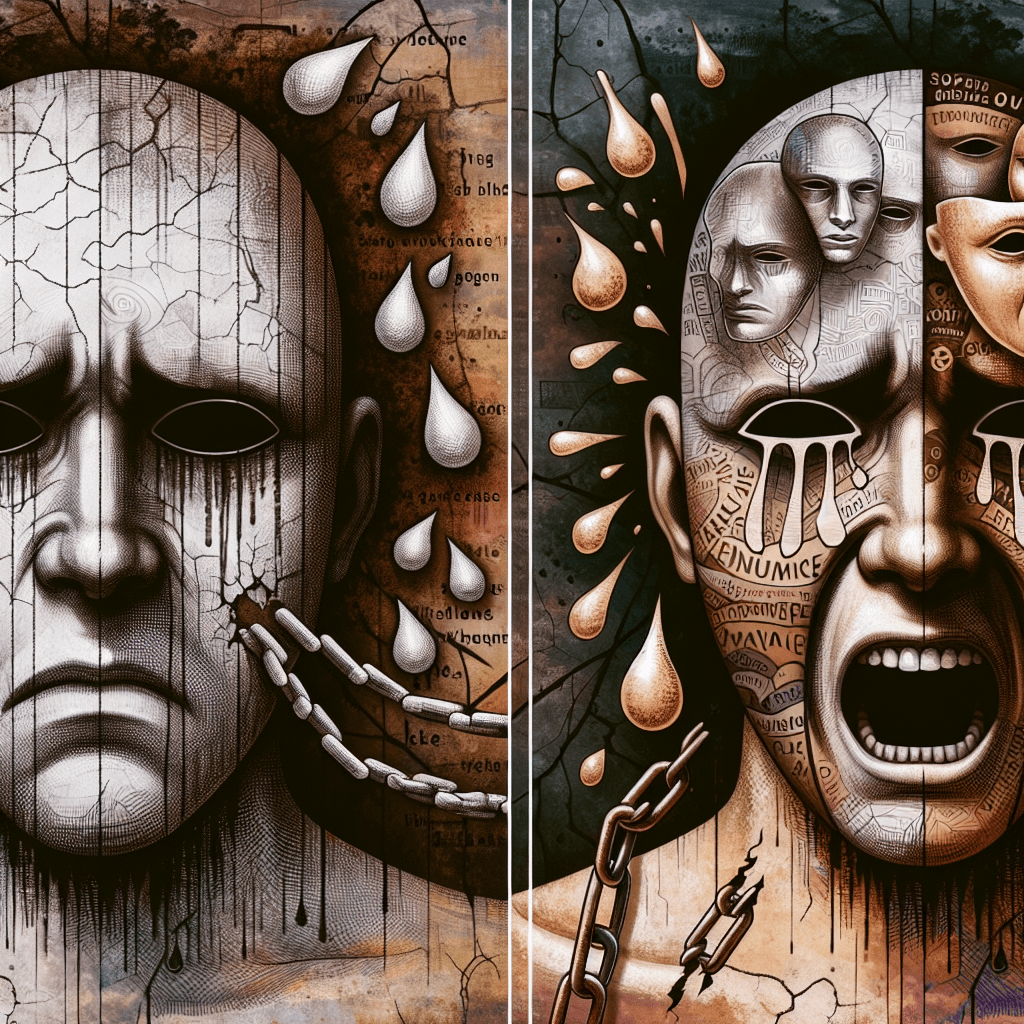
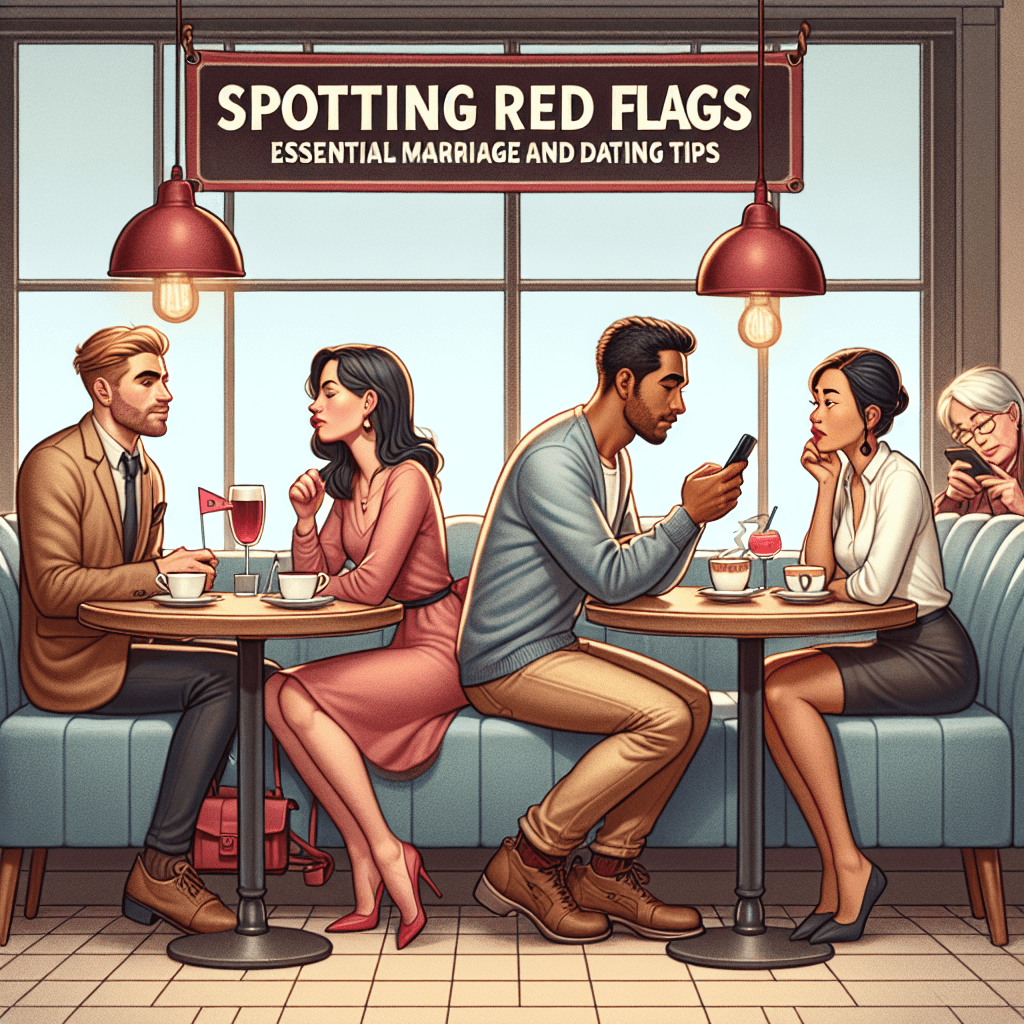
In the quest for a fulfilling partnership, we often overlook the subtle indicators that signal a toxic relationship. Whether it’s a toxic marriage or a dating scenario, emotional abuse can infiltrate any romantic setting, leaving deep scars. Understanding the toxic relationship signs is essential for anyone seeking to protect their emotional well-being.
Recognizing Emotional Abuse
Emotional abuse is not always obvious. It can be insidious, creeping into your relationship under the guise of love and care. Here are some signs to watch for:
- Constant Criticism: Constructive feedback is healthy, but when criticism becomes a daily affair, it can chip away at your self-esteem.
- Manipulation: Emotional manipulators often twist situations to make you doubt your reality, making you feel guilty or responsible for issues you didn’t create.
- Isolation: If your partner tries to distance you from friends or family, it’s a red flag. Isolation is a common tactic in toxic marriages to maintain control.
- Gaslighting: This is a psychological tactic where the abuser makes you question your own perceptions and memories.
- Unpredictable Mood Swings: Erratic behavior, where your partner is loving one moment and hostile the next, can be emotionally exhausting.
The Impact of a Toxic Marriage
A toxic marriage can be particularly devastating due to the deeper commitment involved. Emotional abuse within a marriage often feels like betrayal, as it strikes at the core of what should be a supportive partnership.
- Chronic Stress: Living in a constant state of anxiety can lead to physical and mental health issues, including insomnia, depression, and even chronic illnesses.
- Loss of Identity: In a toxic marriage, you might feel like you’re losing yourself, as the relationship becomes all-consuming.
- Fear of Leaving: Many stay in toxic marriages out of fear—fear of the unknown, fear of financial instability, or fear of retaliation. This fear can be paralyzing.
Taking Steps Towards Healing
Recognizing that you are in a toxic relationship is the first step towards healing. Here’s how you can start:
- Seek Support: Talk to trusted friends or family members about your experiences. Sometimes, an outside perspective can provide clarity.
- Professional Help: Therapists and counselors can offer strategies to cope with emotional abuse and explore options for leaving or repairing the relationship.
- Set Boundaries: Establish clear boundaries with your partner about what behavior is unacceptable.
- Plan for Safety: If you decide to leave, ensure you have a safety plan in place. This includes financial independence and a support network.
Understanding and recognizing toxic relationship signs are crucial first steps towards regaining control over your life. Remember, everyone deserves to be in a relationship where they feel valued, respected, and loved. If you find yourself trapped in a pattern of emotional abuse, know that there is hope and help available. Trust yourself and the journey to healing.